TECHNOLOGY & INNOVATION
Engineering Powered by Digital Intelligence
SSSI integrates engineering expertise with digital technologies, intelligent systems, and data-driven tools to improve project coordination, performance, monitoring, and decision-making.
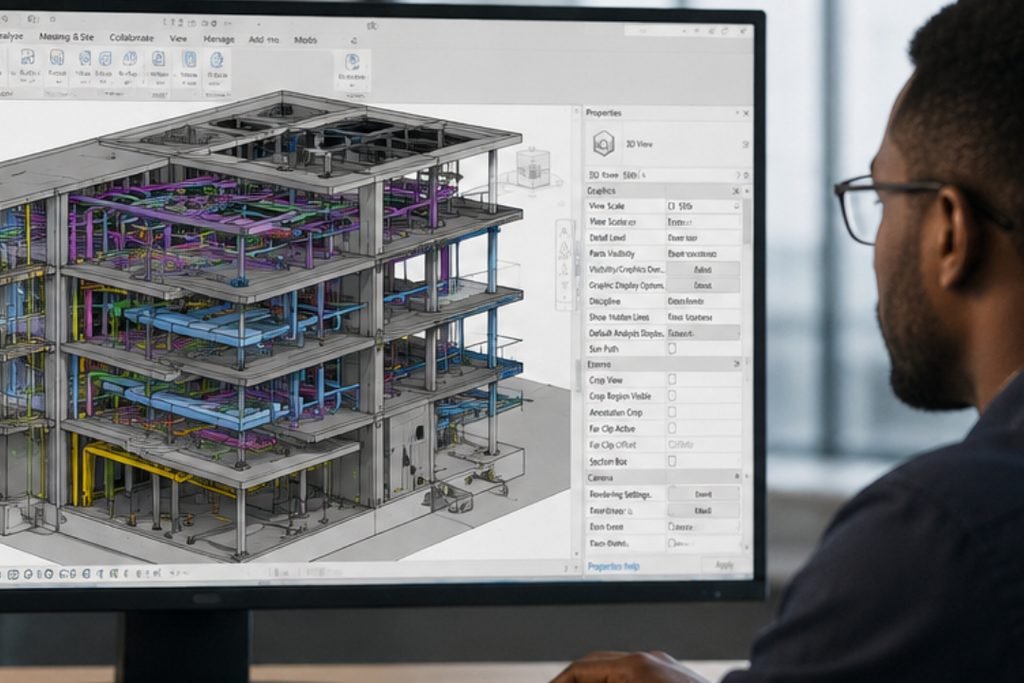
Building Information Modeling
BIM provides a coordinated digital environment for understanding, reviewing, and managing engineering information across multiple disciplines.
- 3D Modeling
- Multidisciplinary Coordination
- Clash Detection
- Model Review & Digital Collaboration

AI-Assisted Engineering
SSSI applies practical artificial intelligence concepts to support engineering analysis, monitoring, optimization, and decision-making.
- Engineering Data Analysis
- Predictive Analysis
- Anomaly Detection
- Performance Optimization

Transforming Engineering Workflows
SSSI supports the transition from fragmented traditional processes toward structured digital workflows and information-driven operations.
- Project Information Management
- Digital Reporting
- Data Integration
- Dashboards
- Process Optimization
- Asset Information Management
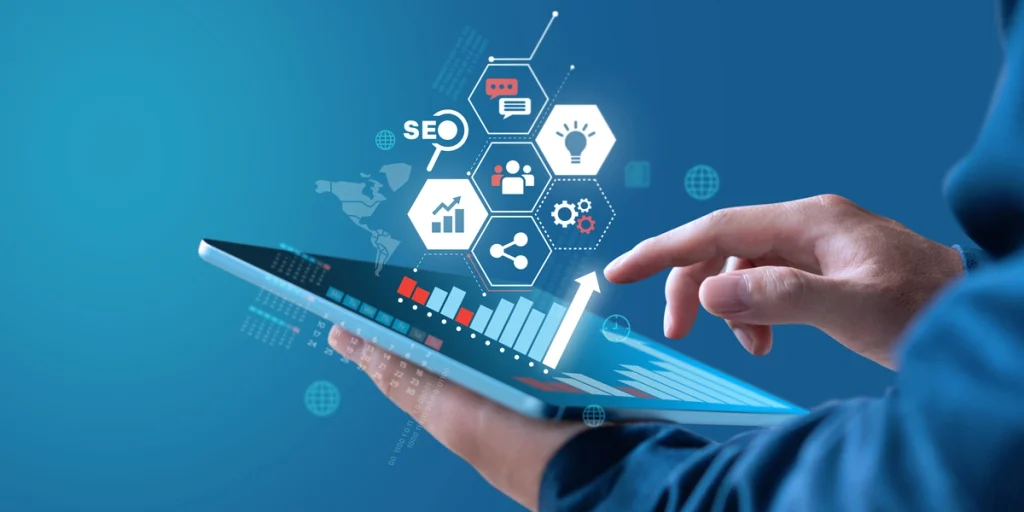
Connected Infrastructure
Smart infrastructure becomes more effective when physical assets can communicate their condition, performance, and operational requirement
Infrastructure → Sensors → Connectivity → Data Platform → Analysis → Controluirements.

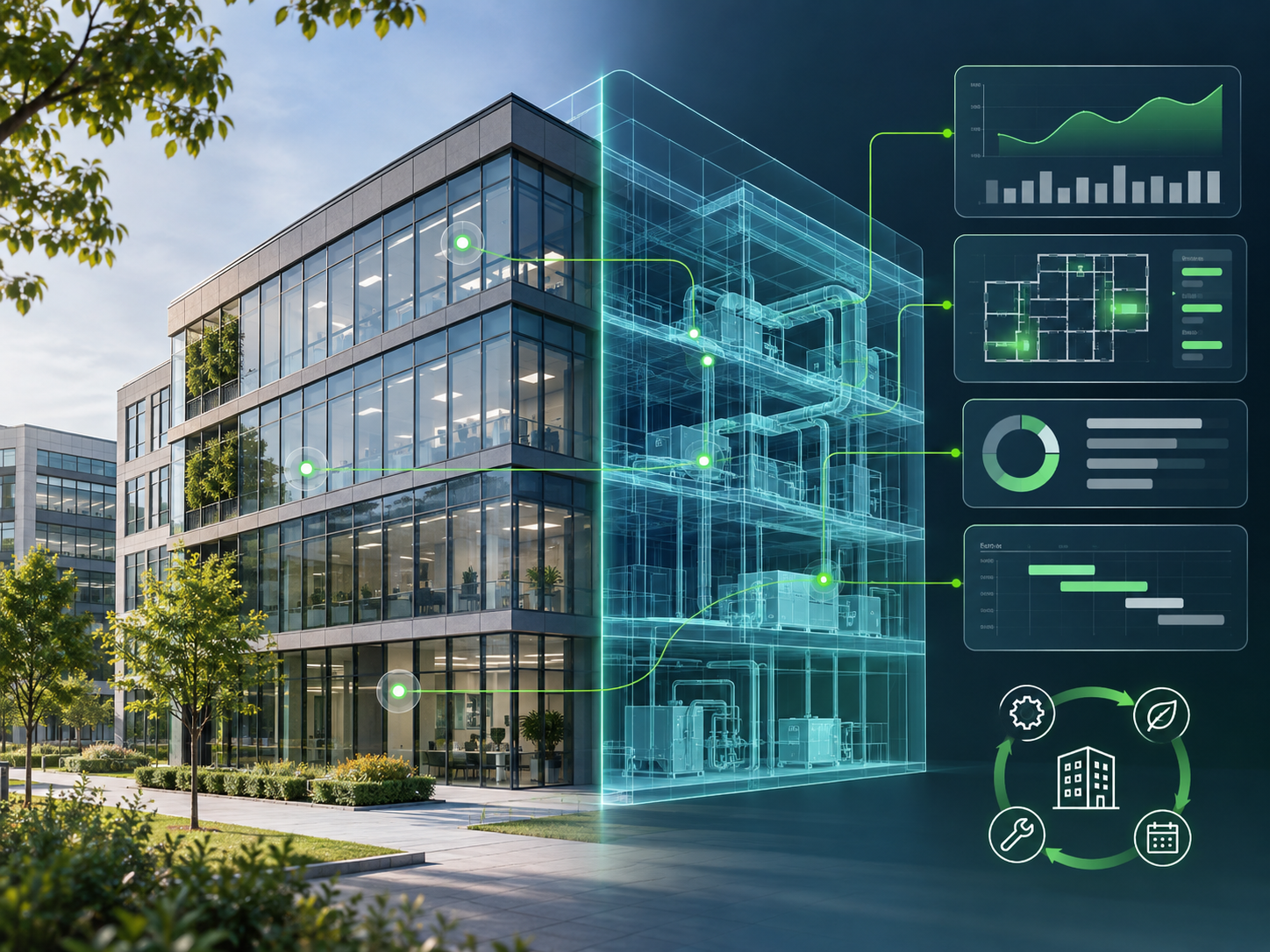
Digital Twin Solutions
Digital Twin technologies can combine physical infrastructure with digital models and operational data to support monitoring, performance evaluation, and better lifecycle decisions.
- Buildings
- Water Systems
- Energy Infrastructure
- Industrial Facilities
- Transportation Systems
Technology Across Infrastructure
- Smart Buildings
- Smart Water
- Smart Energy
- Smart Traffic
- Environmental Monitoring
- Infrastructure Monitoring
How We Evaluate Technology
01 — Project Need
What problem must the technology solve?
02 — Technical Suitability
Is the technology appropriate for the project conditions?
03 — Regulatory & Environmental Requirements
Does it meet the applicable requirements?
04 — Integration
Can it work effectively with the wider project systems?
05 — Lifecycle Value
Does it create sustainable technical and operational value?